
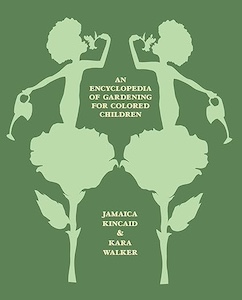
An Encyclopedia of Gardening for Colored Children by Jamaica Kincaid and Kara Walker, Farrar, Straus and Giroux, 2024
Novelist Jamaica Kincaid presents plants A-Z, from apples to Zea mays, tracing the entwined histories of botany, colonization,
slavery, and migration. Kara Walker accompanies each entry with layered watercolor illustrations that deepen the book’s critique and sense of wonder. The result is a blend of horticultural fact and cultural history that asks readers to reconsider what gardens reveal about power and the past. The book is aimed at curious readers of any age, pairing botanical facts with historical insights.
For more information, click here: An Encyclopedia of Gardening for Colored Children
Or here: https://bit.ly/encyclopediakincaid
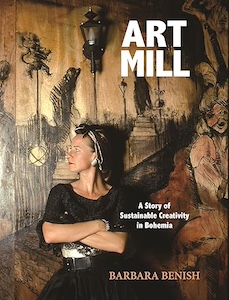
ArtMill, A Story of Sustainable Creativity in Bohemia by Barbara Benish, New Village Press, 2025
Barbara Benish provides a first-person chronicle of the founding of an eco-art center in rural Bohemia. The story is rooted in real-life events and discusses how art, land stewardship, and community organizing can seed democratic culture. The story moves from the “totalitarian darkness” of pre-1989 Czechoslovakia through the Velvet Revolution and into the present. Benish shows how creative practice, along with sustainable farming and local innovation, builds civil society from the ground up. The book blends memoir, recent Eastern European history, and acts as a guide for culture-led regeneration. Benish reveals the soft power of creativity in social and ecological renewal.
For more information, click here: ArtMill
Or here: https://bit.ly/artmillbenish
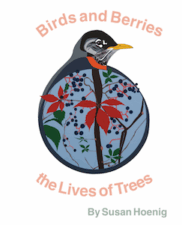
Birds and Berries, the Lives of Trees by Susan Hoenig, Blurb, 2025
Drawing on close observation and ecology, Susan Hoenig shows how birds fuel long migrations on wild berries and disperse the seeds that sustain forests. The book highlights birds’ crucial roles in pollination and seed dispersal, and how climate change is reshaping those relationships. It frames this ecological mutualism as both science and everyday noticing, inviting readers to track seasonal shifts and their impacts on local habitats.
For more information, click here: Birds and Berries, the Lives of Trees
Or here: https://bit.ly/birdshoenig
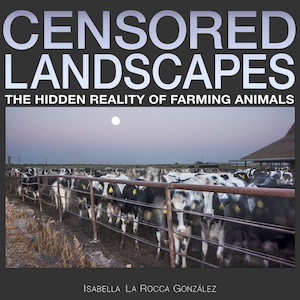
Censored Landscapes, The Hidden Reality of Farming Animals by Isabella La Rocca González, Lantern Publishing & Media, 2024
Censored Landscapes is an investigation of industrial animal agriculture. Isabella La Rocca González uses landscape images, essays, poetry, and research to reveal what is hidden in plain sight. Facility photographs are paired with a number that represents the lives confined inside. Grounded in research, the book traces connections among animal suffering, environmental degradation, worker exploitation, public health, and the politics of land and colonization.
For more information, click here: Censored Landscapes
Or here: https://bit.ly/censoredgonzalez
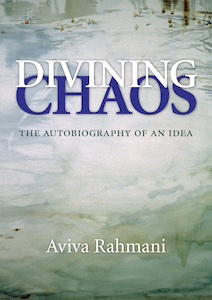
Divining Chaos, The Autobiography of an Idea by Aviva Rahmani, New Village Press, 2022
An eco-art memoir that doubles as the “autobiography of an idea.” The book follows artist Aviva Rahmani’s life and the development of her trigger point theory, which is how small, strategic interventions can catalyze outsized ecological change. The author traces two of her previous projects, Ghost Nets (restoring a coastal dump to wetlands) and The Blued Trees Symphony (using site-specific art and legal strategy to challenge gas pipelines), to show how art, science, and activism coalesce. The book also functions as a field guide for an eco-art practice, arguing for practical ways to “predict, confront, and determine outcomes” in environmental crises.
For more information, click here: Divining Chaos
Or here: https://bit.ly/diviningrahmani
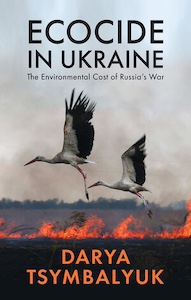
Ecocide in Ukraine: The Environmental Cost of Russia’s War by Darya Tsymbalyuk, Polity Press, 2025
A blend of memoir, field reporting, and environmental humanities, this book documents how Russia’s full-scale invasion has torn through Ukraine’s ecosystems. Darya Tsymbalyuk shares imagery of scorching fields and forests, the contamination of soil and water, and the pushing of species toward extinction. The book traces disasters such as the June 2023 Kakhovka Dam breach to show how warfare exists through rivers, agriculture, biodiversity, and public health. Framing these harms as ecocide, the author argues for accountability. Her claims are grounded in lived experience and local knowledge.
For more information, click here: Ecocide in Ukraine
Or here: https://bit.ly/ecocidetsybalyuk
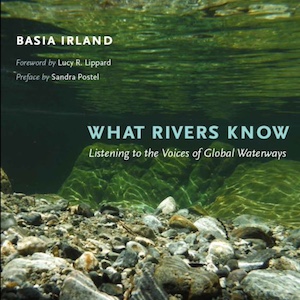
What Rivers Know, Listening to the Voices of Global Waterways by Basia Irland, Texas A&M University Press, 2025
Basia Irland’s essay and photo collection speaks in the first person as 25 rivers around the world. This concept blends natural history with the lived impacts of climate change and human use. The river portraits span the Seine, Yaqui, Río Grande, Singapore, Chaobai, and more. Irland mixes lyrical storytelling with notes on water quality, pollution remedies, and wastewater recycling. The foreword from Lucy Lippard and preface by Sandra Postel invite readers to attune to the “fusion of energies” that rivers embody.
For more information, click here: What Rivers Know
Or here: https://bit.ly/riversirland
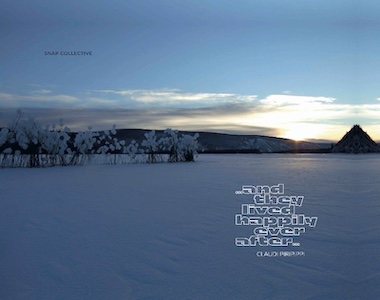
…and they lived happily ever after… by Claudi Piripippi, Snap Collective, 2024
A photographic–art portfolio that shifts between landscapes and “landscapes of portraits.” The photos move fluidly from outdoor places to interior spaces, and from installation and video to performance and interactive poetry. The work weaves lyrical, political, conceptual, and spiritual themes of nature and feminism. Claudi Piripippi sketches a soulful adventure in pursuit of love and art. The project explores identity alongside ecology and place.
For more information, click here: …and they lived happily ever after…
Or here: https://bit.ly/theylivedpiripippi
WEAD MAGAZINE ISSUE No. 15, PLACE SETTING
© Copyright 2026 Women Eco Artists Dialog. All rights reserved.